
Title: The Science of the Setup: How Your Desk Arrangement Impacts Long-Term Health
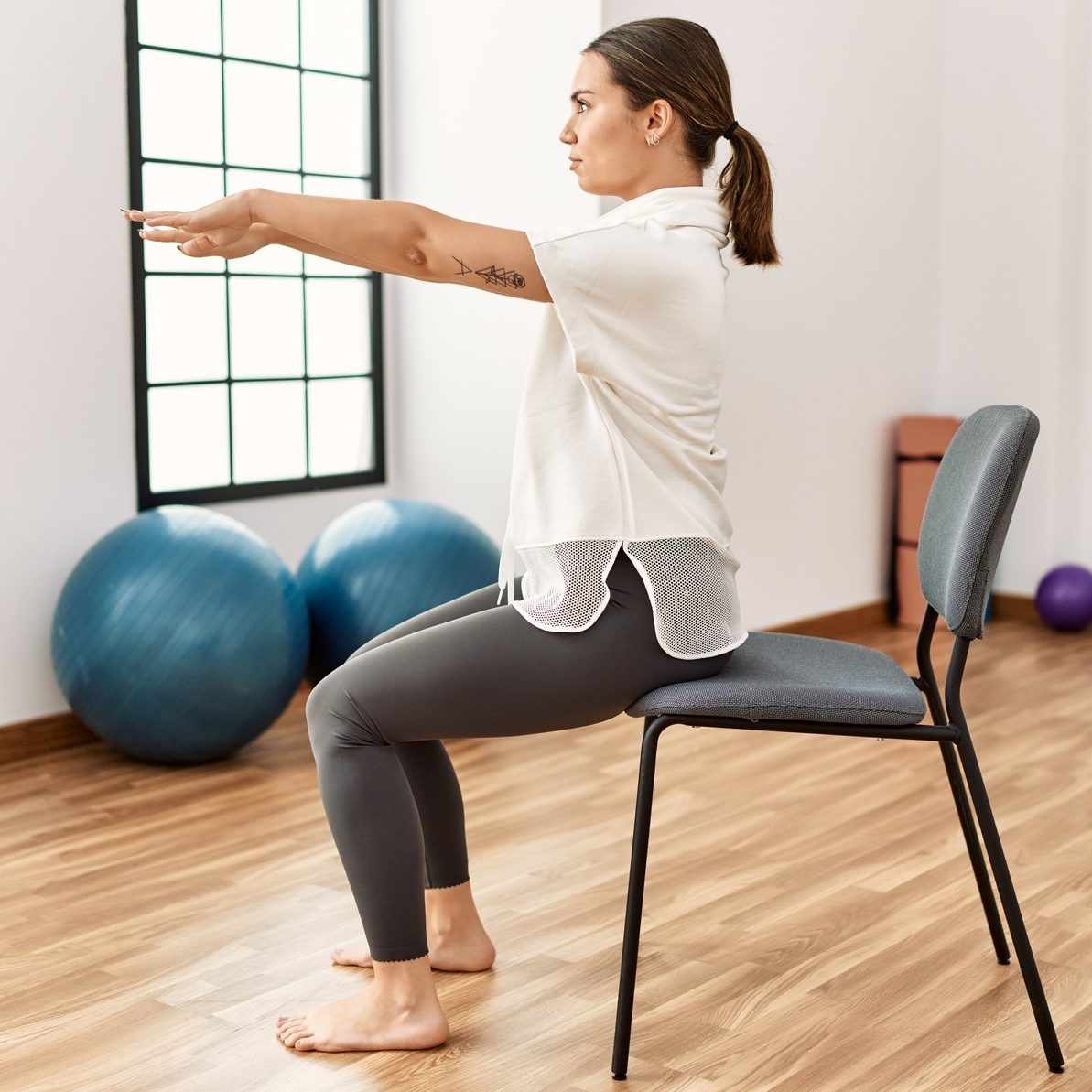
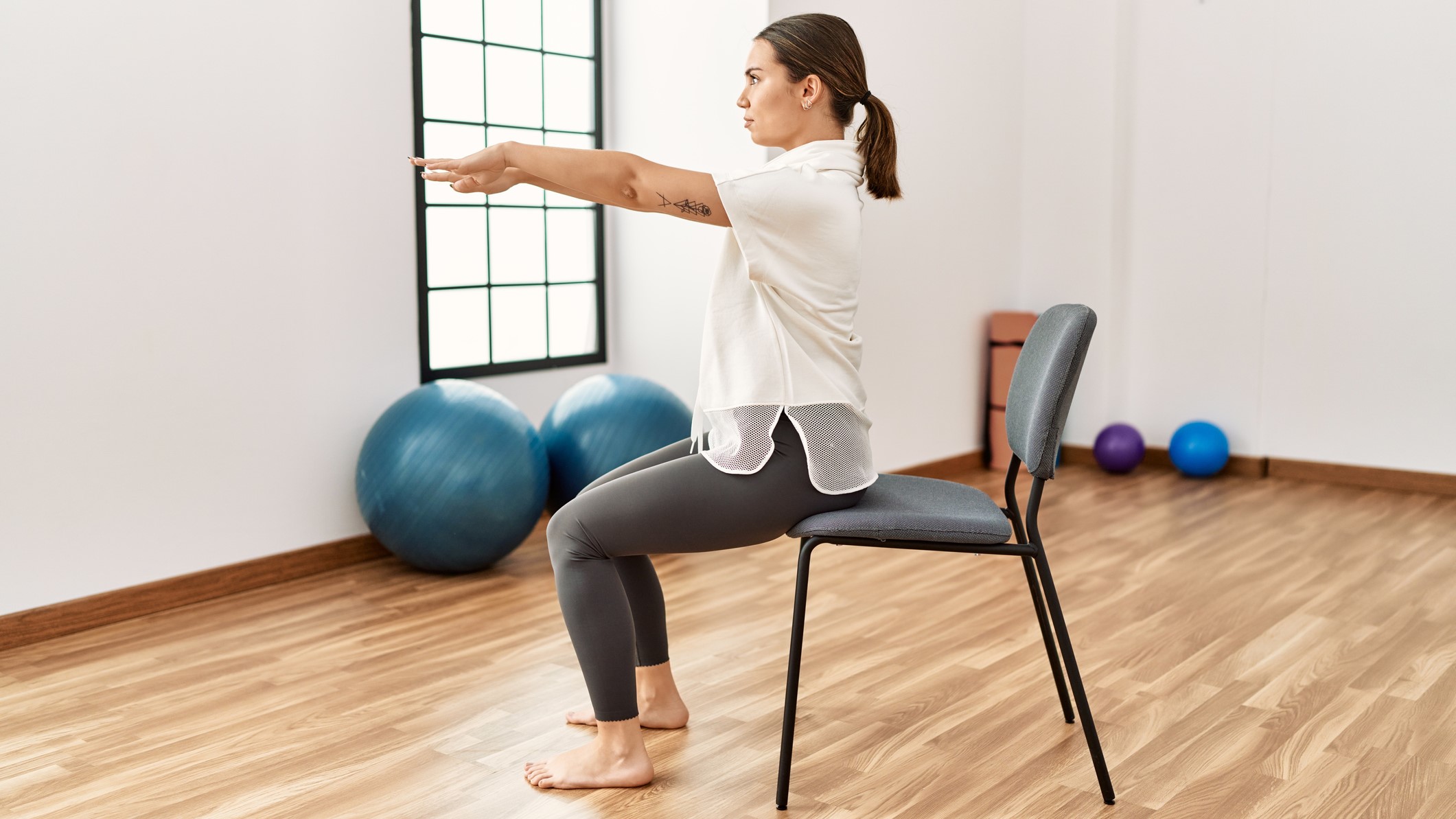
Creating a health-conscious workspace is about more than just buying an expensive chair; it is about the geometry of your environment. In a high-pressure professional hub like Singapore, where 8 to 10-hour workdays are common, a poorly aligned desk can lead to cumulative physical fatigue. The goal of ergonomics is to move the body into a “neutral” position where muscles are not under constant tension.
To achieve this, start with your monitor. The top third of the screen should be at eye level to prevent “Cervical Flexion” (leaning the head forward). If you use a laptop, consider a stand paired with an external keyboard and mouse. Your elbows should rest at a 90-degree angle, and your feet should be flat on the floor. These small adjustments reduce the load on the lower back and shoulders, allowing you to maintain high energy levels and focus throughout the afternoon without the typical “desk slump.”